
In-Home ABA Therapy, Built Around Your Whole Family
Dashi Rivers blends in-home, clinic, and community-based ABA into one connected plan so the skills your child learns show up in meaningful ways for your family — at home, at school, out in the community.
Serving Northville, Plymouth, Canton, Livonia, Westland, and Novi
A hybrid model most providers don't offer
Most ABA providers pick a lane: clinic-based, or home-based. Dashi Rivers built its program around both, plus community and family involvement, because a skill only matters if your child can use it everywhere — not just in a therapy room.

Whole-child, not one behavior at a time
We work on communication, daily living, emotional regulation, and social skills together, not in isolation.
One team across every setting
The same people who work with your child at the clinic are part of the plan at home.
Family-first, not caseload-first
You're a partner in your child's care, not a file number.
What in-home ABA looks like
with Dashi Rivers
Therapy in the clinic teaches skills. Therapy at home makes sure those skills actually work in real life.
Our in-home sessions focus on:
-
Mornings, bedtime, mealtimes — the moments that shape a household's day.
-
Hygiene, dressing, and the small tasks that build independence.
-
Practical strategies you can use between sessions, not just during them.
-
Addressing challenging behavior where it actually happens, not just describing how to handle it later.
Because your child's home team stays connected to their clinic and community goals, progress made in one setting doesn't stay stuck there.
Wherever you are in this journey, we can meet you there
New to ABA?
If your child was recently diagnosed, you probably have more questions than answers right now, and that's completely normal. You don't need to understand every ABA term before you call us.
If your child was recently diagnosed, it's normal to have more questions than answers right now. We'll walk you through what therapy actually looks like, what a typical week involves, and how in-home sessions fit around your family's schedule — clearly, and at your pace.
Already been through the ABA system?
If you've worked with another provider and it didn't feel right — inconsistent therapists, a program that stopped at the clinic door, or a team that treated your child like a caseload — you're not alone, and you're not wrong to want something different.
Dashi Rivers was built around continuity: the same team across home, clinic, and community, working from one plan instead of three disconnected ones.
One team,
every environment
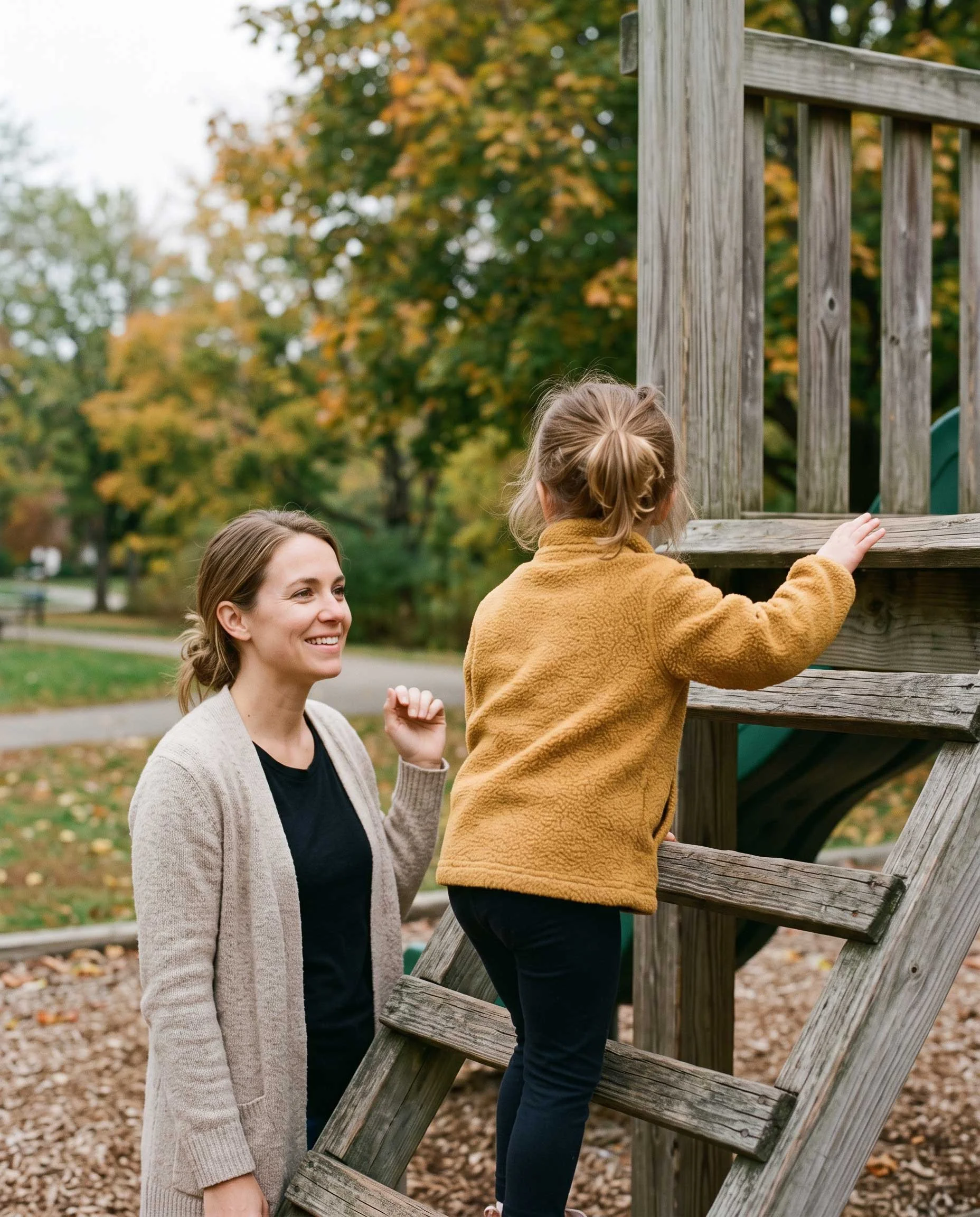
A skill learned only in one place tends to stay in that place. Dashi Rivers' hybrid model gives your child multiple chances to practice the same skill — asking for help from a therapist at the clinic, from a parent during chores at home, from a cashier or coach out in the community — until it becomes something they can do anywhere, with anyone.
That consistency also extends beyond our own team. When it's useful, we coordinate with your child's school, speech and occupational therapists, physicians, and other providers already involved in their care, so everyone is working toward the same goals instead of different ones.
Getting Started
Reach out.
1
Fill out our form or call our team — no commitment, just a conversation.
Talk it through.
2
We'll ask about your child, your goals, and your schedule, and answer whatever questions you have about coverage and next steps.
Skills assessment
3
We assess your child's current skills and domains of need — this shapes the care plan and how many hours make sense.
We work with a range of insurance plans and will help you understand your specific coverage before anything is finalized — no surprises.
Begin care.
4
Once everything's confirmed, your in-home sessions are scheduled around your family — not the other way around.
Proudly serving the Northville area
Dashi Rivers provides in-home ABA therapy throughout Northville, Plymouth, Canton, Livonia, Westland, and Novi, Michigan, with clinic-based and hybrid options available for families who want both.

Frequently Asked Questions
-
Applied Behavior Analysis (ABA) is a proven approach used to evaluate human behavior in order to produce meaningful changes. Using this method, behavior is observed, measured, and analyzed to understand the impact environmental stimuli has on behavior.
When applied to ASD, ABA addresses existing opportunities for growth by altering the environment surrounding behavior to ultimately improve the core deficits of ASD in communication, social interaction, and restricted behaviors. Improving the core deficits gives individuals an appropriate pathway to reinforcement, and allows them to thrive more independently and increase quality of life.
-
No one person or fact can tell you definitively if ABA is right for your child or family. A BCBA will be able to complete an evaluation and should work with your family and your child on what goals would be impactful and could be targeted in ABA treatment. There will be multiple factors to consider, including the risks and benefits of ABA, the availability of quality services in your area, as well as your family’s ability to commit to what can be an intensive model of treatment.
-
An ABA Assessment is a tool that providers use to get to know someone. They interact with the individual to determine where their skillsets and deficits are compared to specific benchmarks or age norms.
Typically, these assessments are required by insurance companies for coverage of services.
-
Care plans typically range from 15–35 hours per week, based on your child's skills assessment, an interview with your family, and the specific domains of need we identify together. Some families need fewer hours than that range. We build the plan around what's actually needed, not a fixed number.
-
The best age to begin is as soon as possible. Research shows the most effective interventions begin early. Early intervention begins between ages 2 and 4. The average age of beginning ABA services varies by demographics for a multitude of reasons. Practitioners generally advise being assessed for ABA intervention as soon as a diagnosis has been made. While early intervention has the strongest research base, there is no age that is “too late” to begin services.
-
There's no age limit for in-home ABA therapy. Our in-home program works with clients across a wide age range. (Our clinic-based program does have an age cap; if you're weighing clinic vs. in-home, our team can help you figure out which fits your family.)
-
BCBA stands for Board Certified Behavior Analyst, which is an individual certified by the Behavior Analyst Certification Board to utilize ABA within their scope.
Having received a graduate level certificate, BCBAs are masters or doctoral level independent practitioners who provide behavior-analytic services.
An LBA or Licensed Behavior Analyst has been licensed in a state that has passed legislation requiring licensure for behavior analysts.
-
RBTs are Registered Behavior Technicians, a provider who has been credentialed by the BACB. RBTs work under a certified BCBA or BCaBA as part of a clinical team.
Most commonly, they implement the bulk of the ABA hours in a 1:1 format.
This credential requires a high school diploma and registration requires an exam and tracking of hours. Close supervision by a BCBA is required for this role.
Some behavior therapists may not be Registered Behavior Technicians, typically referred to as BTs, behavior technicians/therapists.
Why Families Choose Dashi Rivers
“From day one, they made us feel comfortable and understood.”
Michelle H.
“Thank you Dashi for unlocking parts of my kid that we couldn’t on our own.”
Bonnie P.
"Outstanding staff! They are so dedicated and passionate about their work.”
Sarah G.
Request a Meet & Greet
Complete the form below, and our team will reach out to answer your questions and guide you through your options and next steps.